
If you’re dealing with a fungal nail infection, you probably want a clear plan that fits your situation. You’ll find that treatment options range from simple topical creams to prescription oral medications and even advanced laser therapy mobile podiatrist perth. Knowing when to use each method—and how to prevent the infection from coming back—can make all the difference. But how do you determine the best approach for your specific case?

How to Recognize and Understand Fungal Nail Infections
Although fungal nail infections may seem harmless at first, you should learn to recognize their signs early to prevent complications.
You might notice your nails turning yellow, thickening, or becoming brittle. Sometimes, they may even crumble or develop white or dark spots.
These changes can limit your freedom to wear the shoes you love or confidently show your feet. You shouldn’t ignore discomfort or a foul smell either People Podiatry, as these hint the infection is taking hold.
Understanding these symptoms helps you act quickly, keeping your nails healthy and letting you live without restrictions. By spotting the problem early, you take control, avoiding pain and the embarrassment that comes with worsening infections.
Your freedom to move and feel confident depends on it.
Mild to Moderate Treatments: Topical Solutions That Work
Topical treatments often provide an effective first step for managing mild to moderate fungal nail infections.
You can apply medicated nail lacquers, creams, or solutions directly to the affected area, targeting the fungus without systemic side effects.
These products usually contain antifungal agents like ciclopirox or amorolfine, which work to inhibit fungal growth and restore nail health.
Consistency is key—you’ll need to apply the treatment daily for several weeks or months, depending on the product and severity.
Keeping your nails trimmed and clean enhances the treatment’s effectiveness, helping you regain clear, healthy nails faster.
When Oral Medications Are Needed for Nail Fungus
If topical treatments don’t clear up your fungal nail infection or if it’s more severe, oral medications might be the next step. These prescription pills work from the inside, targeting the fungus more effectively than creams or lacquers.
They often offer faster results, especially when the infection has penetrated deep into your nail or spread to multiple nails. However, oral antifungals require a doctor’s supervision because they can affect your liver or interact with other medications you take.
You’ll typically need to take them for several weeks to months, depending on your infection’s severity. Choosing oral medication means you’re taking control, aiming for a clear, healthy nail and the freedom to wear sandals or go barefoot without worry.
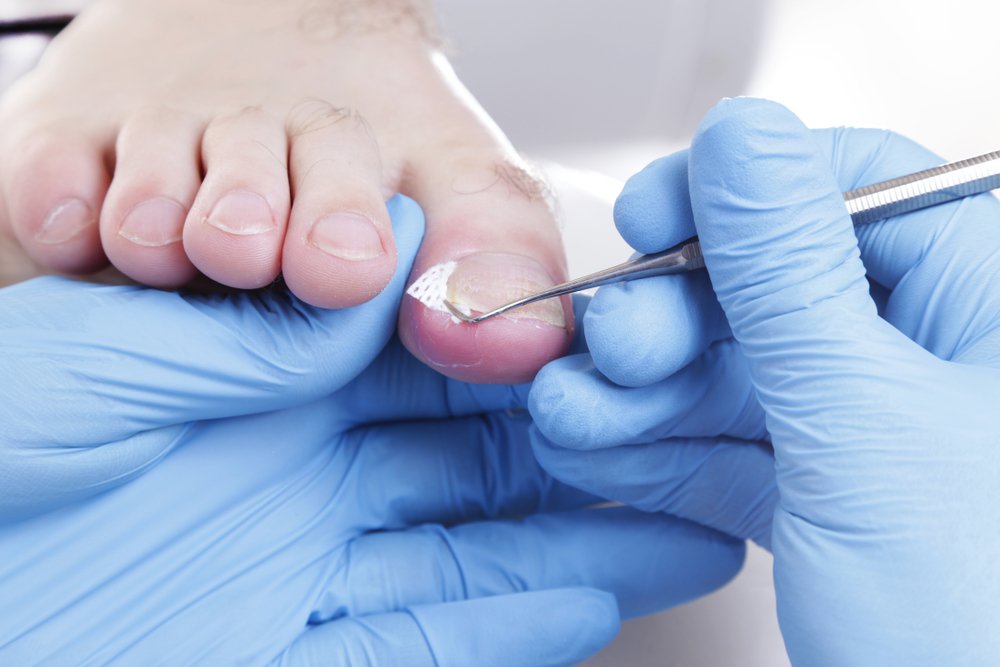
Advanced Laser Therapy for Stubborn Fungal Nail Infections
How can you tackle a fungal nail infection that just won’t respond to traditional treatments? Advanced laser therapy offers a powerful solution.
This cutting-edge approach targets the fungus directly by using focused light energy to penetrate the nail and destroy fungal cells without harming surrounding tissue.
You don’t need to worry about systemic side effects since laser treatment is non-invasive and drug-free. Sessions are quick, usually lasting 20-30 minutes, and you can return to your daily routine immediately.
While multiple treatments may be necessary, many people find relief when other options have failed. This therapy frees you from the frustration of persistent infections, helping your nails look and feel healthy again without the risks linked to oral medications or topical creams.
Effective Prevention Tips to Stop Nail Fungus From Returning
Consistently practicing good nail hygiene plays a crucial role in preventing fungal infections from coming back. You should keep your nails trimmed and clean, avoiding moisture buildup that fungi thrive on.
Wear breathable shoes and moisture-wicking socks to keep your feet dry throughout the day. Change socks regularly, especially after exercise, and opt for antifungal powders if you’re prone to sweating.
Avoid walking barefoot in public places like gyms or pools to reduce exposure. When visiting salons, make sure tools are sterilized to prevent reinfection.
Finally, give your nails time to breathe—go barefoot at home when possible. By following these simple steps, you’ll protect your nails and enjoy the freedom of healthy, fungus-free feet without constant worry or discomfort.
Conclusion
You can manage fungal nail infections effectively by starting with topical treatments and good nail care. If the infection runs deep or spreads, oral medications prescribed by your doctor can help clear it up. For stubborn cases, laser therapy offers a noninvasive option. Remember, prevention is key—keeping your nails clean, dry, and protected reduces the chance of reinfection. Stay consistent with treatment and hygiene, and you’ll keep your nails healthy and fungus-free.