
Incorporating tactile elements within interior design exhibition booths elevates visitor experiences by blending sensory engagement with aesthetic innovation. Material choice interior design exhibition, like natural wood or textured fabrics, balances durability and emotional impact while contrasting finishes enrich tactile diversity. Ergonomically positioned interactive touch features promote intuitive flow, integrating discreet hardware and strategic lighting to maintain design harmony. Rigorous testing guarantees responsiveness and seamless interaction. Explore further to discover how these tactile strategies transform passive viewing into immersive participation and distinctive spatial narratives.
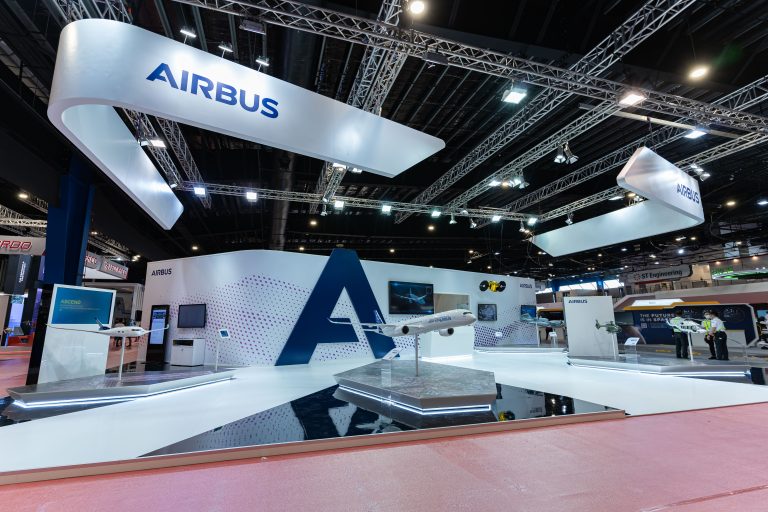
Why Touch Makes Your Interior Design Booth Stand Out
Incorporating tactile elements into an interior design booth elevates the sensory engagement of visitors, creating a memorable and immersive experience exhibition booth contractor malaysia. Touch introduces a dynamic dimension, transforming passive observation into active participation.
This multisensory approach enhances spatial perception and emotional connection, allowing visitors to appreciate material qualities such as texture, temperature, and weight firsthand. The deliberate integration of touch disrupts conventional visual dominance, inviting exploration and fostering deeper cognitive and sensory interaction.
Tactile engagement also facilitates intuitive understanding of design intent, craftsmanship, and innovation, differentiating the booth within competitive exhibition environments. By prioritizing touch, designers open a nuanced dialogue between space and user, elevating the booth beyond visual appeal to a holistic, sensorially rich encounter that resonates long after initial contact.
Choosing Materials, Textures, and Interactive Touch Elements
Selecting appropriate materials and textures plays a defining role in shaping tactile experiences within an interior design exhibition booth. Materials such as natural wood, polished metals, and textured fabrics provide varied sensory stimuli, inviting visitors to engage physically and emotionally.
The careful juxtaposition of smooth surfaces against rough or matte finishes enhances contrast, fostering richer touch interactions. Incorporating interactive elements—such as modular panels with embedded sensors or tactile switches—further activates visitor participation, creating dynamic, memorable encounters.
These components must balance durability with sensory appeal, ensuring longevity under frequent handling without compromising aesthetic integrity. The deliberate selection process prioritizes materials that evoke desired emotions while aligning with the booth’s conceptual narrative, ultimately crafting an immersive tactile environment that resonates intuitively with diverse audiences.
How to Fit Touch Features Naturally Into Your Booth Layout
Within the spatial framework of an interior design exhibition booth, the seamless integration of touch features demands meticulous spatial planning and ergonomic consideration. Touch elements should be positioned to encourage natural visitor flow, avoiding congestion while inviting exploration.
Integrating interactive surfaces at comfortable heights—typically between 90 to 110 cm—ensures accessibility for diverse users. Materials surrounding touchpoints must complement tactile elements without overpowering them, preserving aesthetic harmony and emphasizing functionality.
Cable management and hardware placement should remain discreet, sustaining a clean visual narrative. Strategic lighting enhances touch feature visibility, guiding engagement intuitively.
Modular design facilitates adaptability, allowing touch components to merge fluidly with booth architecture. This precision-driven approach balances form and function, enabling visitors to interact freely and effortlessly within the curated spatial experience.
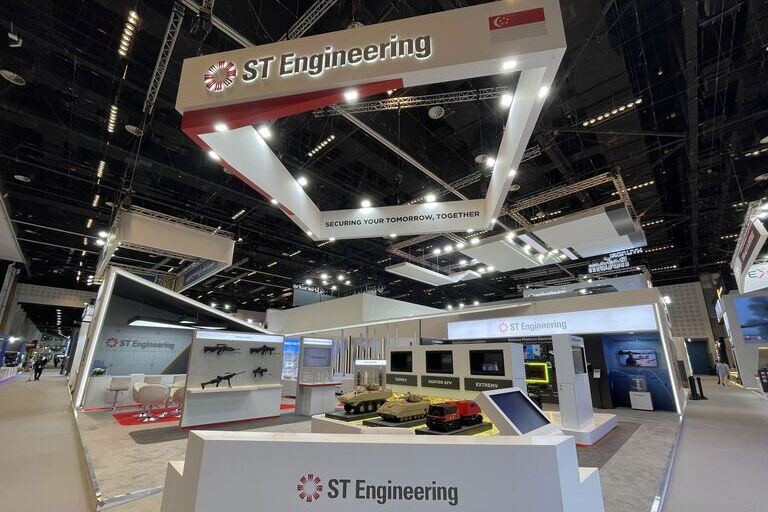
Testing and Refining Your Touch Concept Before the Show
After establishing the ideal placement and ergonomic integration of touch features within the booth layout, attention must shift to rigorous testing and refinement to guarantee flawless operation during the exhibition.
This phase involves systematic evaluation of responsiveness, calibration accuracy, and user interface fluidity under varied lighting and traffic conditions. Technical diagnostics assure sensors react consistently without lag or misinterpretation, while aesthetic adjustments refine visual cues and tactile feedback to harmonize with the booth’s design ethos.
Iterative trials simulate real visitor interactions, identifying potential bottlenecks or fatigue points. Adjustments to hardware sensitivity and software algorithms optimize durability and intuitive use.
This meticulous process safeguards a seamless, engaging experience, empowering visitors with unrestricted, effortless exploration of the interactive elements.
Examples of Interactive Touch Features That Engage Visitors
Integrating dynamic touch features transforms an exhibition booth into an immersive environment that captivates and educates visitors through tactile interaction.
Examples include multi-touch tables enabling collaborative design manipulation, allowing users to explore material textures and color palettes with intuitive gestures. Interactive wall panels equipped with haptic feedback offer a sensory dimension, letting attendees ‘feel’ surface finishes virtually.
Gesture-controlled displays facilitate contactless navigation through digital portfolios, enhancing accessibility and freedom in exploration. Additionally, augmented reality touchscreens overlay virtual elements onto physical models, deepening spatial understanding.
These technologies demand precise calibration and ergonomic design to guarantee seamless responsiveness and user comfort. By incorporating such interactive elements, interior design exhibitions transcend passive observation, inviting visitors into a liberated, sensory-rich dialogue with the showcased concepts.
Conclusion
Incorporating tactile elements within an interior design exhibition booth elevates visitor engagement through a multisensory experience. Thoughtful selection of materials and textures, combined with seamlessly integrated interactive touch features, enhances spatial harmony and visual appeal. Meticulous testing guarantees functionality and user comfort, resulting in a refined presentation that captivates attendees. Ultimately, a well-executed touch concept not only differentiates the booth but also fosters memorable connections between the design and its audience.